
You can pay long term liabilities, however, through various business activities, both current and future. If you are refinancing current liabilities into long term liabilities, then you can keep them in the long term section since they will no longer be due within 12 months. That distinguishes them from current liabilities, which are due much sooner.
Unearned Revenue
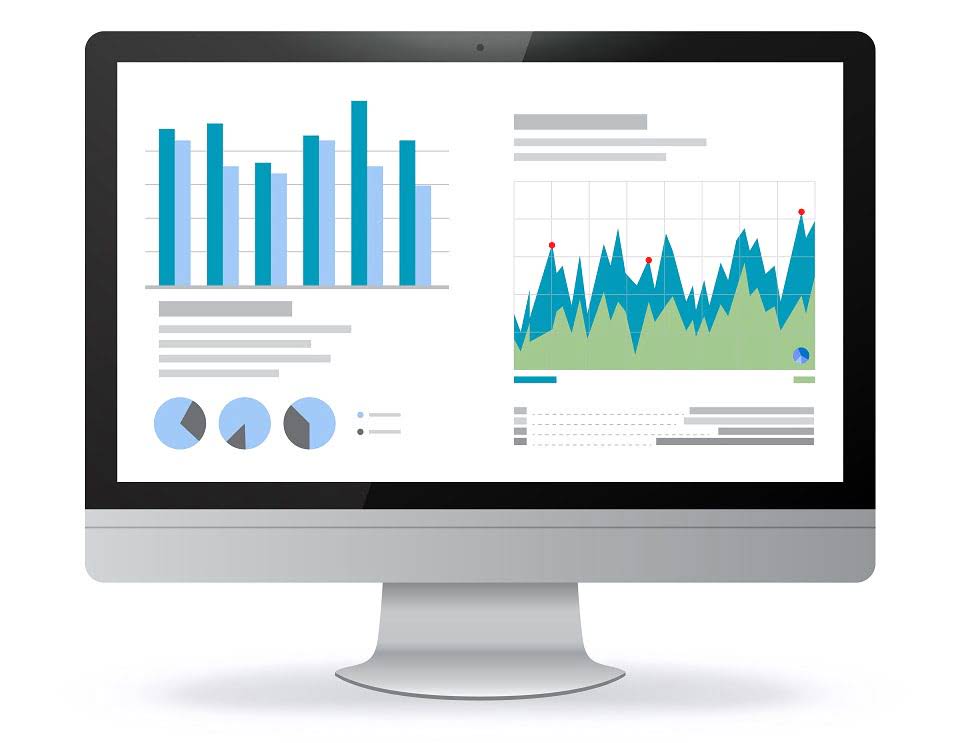
Analysts and creditors often use the current ratio, which measures a company’s ability to pay its short-term financial debts or obligations. The ratio, which is calculated by dividing current assets by current liabilities, shows how well a company manages its balance sheet to pay off its short-term debts and payables. It shows investors and analysts whether a company has enough current assets on its balance sheet to satisfy or pay off its current debt and other payables. The current ratio measures a company’s ability to pay its short-term financial debts or obligations.
Understanding Current Liabilities
- Liabilities are a vital aspect of a company because they’re used to finance operations and pay for large expansions.
- Our work has been directly cited by organizations including Entrepreneur, Business Insider, Investopedia, Forbes, CNBC, and many others.
- Assuming that you owe $400, your interest charge forthe month would be $400 × 1.5%, or $6.00.
- High levels of current liabilities can negatively impact a company’s profitability due to high-interest payments on debts or other obligations.
- Current liabilities are used by analysts, accountants, and investors to gauge how well a company can meet its short-term financial obligations.
However, they can creep up on you if you don’t watch them closely and avoid putting them off. Consider whether you can realistically afford higher interest payments before taking the plunge. The current portion of long term liabilities are the ones that are due within the next year or within your business’s next operating cycle.
- The long term liabilities section may include items like loans and deferred tax liabilities.
- A note payable is a debt to a lender withspecific repayment terms, which can include principal and interest.A note payable has written contractual terms that make it availableto sell to another party.
- It shows a company’s ability to pay off all its current liabilities using only cash and marketable securities without liquidating or selling other assets.
- AT&T clearly defines its bank debt that’s maturing in less than one year under current liabilities.
- In the case of the guarantee the facts as presented make it appear that an outflow of resources is unlikely.
- A current liability is any financial obligation that has an amount due within the next 12 months.
What is a current liability?
These ratios are derived (or calculated) from the items listed on the balance sheet and income statement. As noted, however, the current portion, if any, of these long-term liabilities liabilities that will be paid or fulfilled within 12 months are liabilities. is classified as current liabilities. You can locate the information required to calculate a quick ratio on a company’s balance sheet, available in its most recent earnings report.
Thinking about Unearned Revenue
Your accountant would compute this temporary difference between your taxable income and your income as reflected in the books. However, if one company’s debt is mostly short-term debt, it might run into cash flow issues if not enough revenue is generated to meet its obligations. Short-term debt is typically the total of debt payments owed within the next year. The amount of short-term debt as compared to long-term debt is important when analyzing a company’s financial health.
Dividends Payable (liability dividend)

Your company’s current ratio and quick ratio are two items a lender can look at in determining your company’s liquidity. To calculate current liabilities, you can review your company’s balance sheet and add all of the items from the current liability formula, which will capture all expenses due within 12 months. In the example below, we will demonstrate calculating current liabilities for common items found on a balance sheet. There are many types of current liabilities, from accounts payable to dividends declared or payable. These debts typically become due within one year and are paid from company revenues. Commercial paper is also a short-term debt instrument issued by a company.
- The current liabilities section of the balance sheet typically appears at the top and includes all of the company’s short-term debts and obligations.
- A current liability is a debt or obligation duewithin a company’s standard operating period, typically a year,although there are exceptions that are longer or shorter than ayear.
- Although the current and quick ratios show how well a company converts its current assets to pay current liabilities, it’s critical to compare the ratios to companies within the same industry.
- Liabilities play an important role in both personal and business finance.
- Like assets, liabilities are originally measured and recorded according to the cost principle.
- Here are the main ways that liabilities have an impact on your finances.

11 Financial is a registered investment adviser located in Lufkin, Texas. 11 Financial may only transact business in those states in which it is registered, or qualifies for an exemption or exclusion from registration requirements. For example, as happens in many countries, taxes are levied on citizens and/or companies, and a firm may be required to collect tax on behalf of the taxing agency. Failure to recognize accrued liabilities overstates income and understates liabilities. No recognition is given to the fact that the present value of these future cash outlays is less. You determine your net worth by subtracting your liabilities from your assets.
Current Liabilities Ratios And Analysis
- The portion of a note payable due in the current period isrecognized as current, while the remaining outstanding balance is anoncurrent note payable.
- The transfer of property in settlement of an obligation would also constitute a transfer of economic benefits.
- For example, a person purchases a brand-new laptop worth $2,000 for his e-commerce business.
- This is often used as operating capital for day-to-day operations by a company of this size rather than funding larger items which would be better suited using long-term debt.
- Your accountant would compute this temporary difference between your taxable income and your income as reflected in the books.